dier
English
Etymology
From die + -erCategory:English terms suffixed with -er (agent noun)#DIER.
Noun
dier (plural diers)Category:English lemmas#DIERCategory:English nouns#DIERCategory:English countable nouns#DIERCategory:English entries with incorrect language header#DIERCategory:Pages with entries#DIERCategory:Pages with 11 entries#DIER
- One who dies.
- 1985, Don DeLillo, White Noise:
- It's a way of controlling death. A way of gaining the ultimate upper hand. Be the killer for a change. Let someone else be the dier.Category:English terms with quotations#DIER
- 2006, Shankar Mokashi Punekar, Awadheswari:
- Since other languages are structurally constrained to say who it was who died and since the original leaves the identity of the dier unexpressed, any translation in the target language is going to be incorrect.Category:English terms with quotations#DIER
Usage notes
- Used in abstract and philosophical contexts, rather than in discussing a known individual who has died. Compare deceased.
Anagrams
Afrikaans
Etymology
From DutchCategory:Afrikaans terms inherited from Dutch#DIERCategory:Afrikaans terms derived from Dutch#DIER dier, from Middle DutchCategory:Afrikaans terms inherited from Middle Dutch#DIERCategory:Afrikaans terms derived from Middle Dutch#DIER dier, from Old DutchCategory:Afrikaans terms inherited from Old Dutch#DIERCategory:Afrikaans terms derived from Old Dutch#DIER *dior, from Proto-West GermanicCategory:Afrikaans terms inherited from Proto-West Germanic#DIERCategory:Afrikaans terms derived from Proto-West Germanic#DIER *deuʀ, from Proto-GermanicCategory:Afrikaans terms inherited from Proto-Germanic#DIERCategory:Afrikaans terms derived from Proto-Germanic#DIER *deuzą, from Proto-Indo-EuropeanCategory:Afrikaans terms inherited from Proto-Indo-European#DIERCategory:Afrikaans terms derived from Proto-Indo-European#DIER *dʰewsóm.
Pronunciation
Noun
dier (plural diere)Category:Afrikaans lemmas#DIERCategory:Afrikaans nouns#DIERCategory:Afrikaans entries with incorrect language header#DIERCategory:Pages with entries#DIERCategory:Pages with 11 entries#DIER
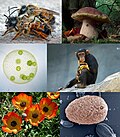
Category:af:Animals#DIERDutch



Pronunciation
- IPA(key): /dir/, [diːr], [diər]Category:Dutch terms with IPA pronunciation#DIER
Category:Dutch terms with audio pronunciation#DIERAudio: (file) - Hyphenation: dier
- Rhymes: -irCategory:Rhymes:Dutch/ir#DIERCategory:Rhymes:Dutch/ir/1 syllable#DIER
Etymology 1
From Middle DutchCategory:Dutch terms inherited from Middle Dutch#DIERCategory:Dutch terms derived from Middle Dutch#DIER dier, from Old DutchCategory:Dutch terms inherited from Old Dutch#DIERCategory:Dutch terms derived from Old Dutch#DIER dier, from Proto-West GermanicCategory:Dutch terms inherited from Proto-West Germanic#DIERCategory:Dutch terms derived from Proto-West Germanic#DIER *deuʀ, from Proto-GermanicCategory:Dutch terms inherited from Proto-Germanic#DIERCategory:Dutch terms derived from Proto-Germanic#DIER *deuzą, from Proto-Indo-EuropeanCategory:Dutch terms inherited from Proto-Indo-European#DIERCategory:Dutch terms derived from Proto-Indo-European#DIER *dʰewsóm.
Noun
dier n (plural dieren, diminutive diertje n)Category:Dutch lemmas#DIERCategory:Dutch nouns#DIERCategory:Dutch nouns with plural in -en#DIERCategory:Dutch entries with incorrect language header#DIERCategory:Dutch neuter nouns#DIERCategory:Pages with entries#DIERCategory:Pages with 11 entries#DIER
Usage notes
Sometimes used as a term of endearment or flirtation, as in the phrase lekker dier.
Derived terms
- bloemdier
- boerderijdier
- buideldier
- chordadier
- circusdier
- cloacadier
- dagdier
- dierdicht
- dierenarts
- dierenbescherming
- dierenbeul
- dierendag
- dierenepos
- dierenhandel
- dierenleed
- dierenleven
- dierenmishandeling
- dierenperk
- dierenpsycholoog
- dierenrechten
- dierenriem
- dierenrijk
- dierentuin
- dierenvriend
- dierenwelzijn
- dierenwinkel
- diergaarde
- diergeneeskunde
- dierkunde
- dierlijk
- dieronterend
- dierproef
- diersoort
- diervriendelijk
- elpendier
- fabeldier
- gekorven dier
- gezelschapsdier
- gleufdier
- gordeldier
- hoefdier
- huisdier
- kerfdier
- knaagdier
- knuffeldier
- koraaldier
- kruipdier
- kuddedier
- landdier
- lastdier
- maagzakdier
- manteldier
- nachtdier
- neteldier
- nutsdier
- pantoffeldier
- partijdier
- placentadier
- proefdier
- prooidier
- rendier
- reuzendier
- rijdier
- roofdier
- sabeldier
- schaaldier
- schelpdier
- schubdier
- slurfdier
- snaveldier
- sponsdier
- spookdier
- trekdier
- troeteldier
- vingerdier
- vogelbekdier
- waterdier
- weekdier
- werkdier
- werveldier
- zeedier
- zoogdier
Etymology 2
From Middle DutchCategory:Dutch terms inherited from Middle Dutch#DIERCategory:Dutch terms derived from Middle Dutch#DIER dier.
Determiner
dierCategory:Dutch lemmas#DIERCategory:Dutch determiners#DIERCategory:Dutch demonstrative determiners#DIERCategory:Dutch possessive determiners#DIERCategory:Dutch entries with incorrect language header#DIERCategory:Pages with entries#DIERCategory:Pages with 11 entries#DIER
- (demonstrative) her, their, the latter's (genitive feminine singular and genitive plural of die)
- De verdachte heeft zich samen met een vriend, haar dochter en dier vriend schuldig gemaakt aan de moord op haar echtgenoot [...] (from a verdict of the Court of Justice at 's-Gravenhage, 2011 )
- The accused (woman) is guilty of having murdered her husband in cooperation with a friend, her daughter and the latter's friend [...]
Usage notes
Dier is used in a similar way as the possessive determiners haar and hun. It is rare in spoken Dutch, but used occasionally in writing to avoid confusion. Compare:
- Zij vertelde van haar dochter en haar man. ― She told of her daughter and her (own) husband.Category:Dutch terms with usage examples#DIER
- Zij vertelde van haar dochter en dier man. ― She told of her daughter and the latter's husband.Category:Dutch terms with usage examples#DIER
The corresponding masculine and neuter singular form is diens.
Etymology 3
Dialectal variant of duur; compare besturen and bestieren, which displays the same alternation in vowels, arising from dialectal differences.
Adjective
dier (comparative dierder, superlative dierst)Category:Dutch lemmas#DIERCategory:Dutch adjectives#DIERCategory:Dutch adjectives with red links in their headword lines#DIERCategory:Dutch entries with incorrect language header#DIERCategory:Pages with entries#DIERCategory:Pages with 11 entries#DIER
- (dialectalCategory:Dutch dialectal terms#DIER, archaicCategory:Dutch terms with archaic senses#DIER) alternative form of duur
Derived terms
Anagrams
Elfdalian
Etymology
From Old NorseCategory:Elfdalian terms inherited from Old Norse#DIERCategory:Elfdalian terms derived from Old Norse#DIER þeir, þær, from Proto-GermanicCategory:Elfdalian terms inherited from Proto-Germanic#DIERCategory:Elfdalian terms derived from Proto-Germanic#DIER *þai.
Pronoun
dierCategory:Elfdalian lemmas#DIERCategory:Elfdalian pronouns#DIERCategory:Elfdalian personal pronouns#DIERCategory:Elfdalian entries with incorrect language header#DIERCategory:Pages with entries#DIERCategory:Pages with 11 entries#DIER
Luxembourgish
Etymology
From Old High GermanCategory:Luxembourgish terms inherited from Old High German#DIERCategory:Luxembourgish terms derived from Old High German#DIER durri, from Proto-GermanicCategory:Luxembourgish terms inherited from Proto-Germanic#DIERCategory:Luxembourgish terms derived from Proto-Germanic#DIER *þursuz.
Pronunciation
- IPA(key): /diːr/, [diə̯], [ˈdiː.ɐ]Category:Luxembourgish 1-syllable words#DIERCategory:Luxembourgish terms with IPA pronunciation#DIER
- Rhymes: -iːəCategory:Rhymes:Luxembourgish/iːə#DIERCategory:Rhymes:Luxembourgish/iːə/1 syllable#DIER
- Homophones: Dier, dir, DirCategory:Luxembourgish terms with homophones#DIER
Adjective
dier (masculine dieren, neuter diert, comparative méi dier, superlative am diersten)Category:Luxembourgish lemmas#DIERCategory:Luxembourgish adjectives#DIERCategory:Luxembourgish entries with incorrect language header#DIERCategory:Pages with entries#DIERCategory:Pages with 11 entries#DIER
Declension
| singular | plural | ||||
|---|---|---|---|---|---|
| masculine | feminine | neuter | |||
| predicative | hien ass dier | si ass dier | et ass dier | si si(nn) dier | |
| nominative / accusative |
attributive and/or after determiner | dieren | dier | diert | dier |
| independent without determiner | dieres | dierer | |||
| dative | after any declined word | dieren | dierer | dieren | dieren |
| as first declined word | dierem | dierem | |||
Middle Dutch
Pronunciation
Etymology 1
From Old DutchCategory:Middle Dutch terms inherited from Old Dutch#DIERCategory:Middle Dutch terms derived from Old Dutch#DIER dier, from Proto-West GermanicCategory:Middle Dutch terms inherited from Proto-West Germanic#DIERCategory:Middle Dutch terms derived from Proto-West Germanic#DIER *deuʀ, from Proto-GermanicCategory:Middle Dutch terms inherited from Proto-Germanic#DIERCategory:Middle Dutch terms derived from Proto-Germanic#DIER *deuzą, from Proto-Indo-EuropeanCategory:Middle Dutch terms inherited from Proto-Indo-European#DIERCategory:Middle Dutch terms derived from Proto-Indo-European#DIER *dʰewsóm.
Noun
dier nCategory:Middle Dutch lemmas#DIERCategory:Middle Dutch nouns#DIERCategory:Middle Dutch entries with incorrect language header#DIERCategory:Middle Dutch neuter nouns#DIERCategory:Pages with entries#DIERCategory:Pages with 11 entries#DIER
Inflection
| singular | plural | |
|---|---|---|
| nominative | dier | diere |
| accusative | dier | diere |
| genitive | diers | diere |
| dative | diere | dieren |
Descendants
Etymology 2
See the etymology of the corresponding lemma form.
Determiner
dierCategory:Middle Dutch non-lemma forms#DIERCategory:Middle Dutch determiner forms#DIERCategory:Middle Dutch entries with incorrect language header#DIERCategory:Pages with entries#DIERCategory:Pages with 11 entries#DIER
Further reading
- “dier”, in Vroegmiddelnederlands Woordenboek, 2000
- Verwijs, E.; Verdam, J. (1885–1929), “dier (I)”, in Middelnederlandsch Woordenboek, The Hague: Martinus Nijhoff, →ISBN, page I
Middle English
Noun
dierCategory:Middle English alternative forms#DIERCategory:Middle English entries with incorrect language header#DIERCategory:Pages with entries#DIERCategory:Pages with 11 entries#DIER
Norwegian Bokmål
Verb
dierCategory:Norwegian Bokmål non-lemma forms#DIERCategory:Norwegian Bokmål verb forms#DIERCategory:Norwegian Bokmål entries with incorrect language header#DIERCategory:Pages with entries#DIERCategory:Pages with 11 entries#DIER
Old Dutch
Alternative forms
Etymology
From Proto-West GermanicCategory:Old Dutch terms inherited from Proto-West Germanic#DIERCategory:Old Dutch terms derived from Proto-West Germanic#DIER *deuʀ, from Proto-GermanicCategory:Old Dutch terms inherited from Proto-Germanic#DIERCategory:Old Dutch terms derived from Proto-Germanic#DIER *deuzą, from Proto-Indo-EuropeanCategory:Old Dutch terms inherited from Proto-Indo-European#DIERCategory:Old Dutch terms derived from Proto-Indo-European#DIER *dʰewsóm.
Noun
dier nCategory:Old Dutch lemmas#DIERCategory:Old Dutch nouns#DIERCategory:Old Dutch entries with incorrect language header#DIERCategory:Old Dutch neuter nouns#DIERCategory:Pages with entries#DIERCategory:Pages with 11 entries#DIER
Inflection
Descendants
Further reading
- “dier”, in Oudnederlands Woordenboek, 2012
Slovak
Noun
dierCategory:Slovak non-lemma forms#DIERCategory:Slovak noun forms#DIERCategory:Slovak entries with incorrect language header#DIERCategory:Pages with entries#DIERCategory:Pages with 11 entries#DIER
West Frisian
Etymology
From Old FrisianCategory:West Frisian terms inherited from Old Frisian#DIERCategory:West Frisian terms derived from Old Frisian#DIER diār, from Proto-West GermanicCategory:West Frisian terms inherited from Proto-West Germanic#DIERCategory:West Frisian terms derived from Proto-West Germanic#DIER *deuʀ, from Proto-GermanicCategory:West Frisian terms inherited from Proto-Germanic#DIERCategory:West Frisian terms derived from Proto-Germanic#DIER *deuzą, from Proto-Indo-EuropeanCategory:West Frisian terms inherited from Proto-Indo-European#DIERCategory:West Frisian terms derived from Proto-Indo-European#DIER *dʰewsóm.
Pronunciation
Noun
dier n (plural dieren, diminutive dierke)Category:West Frisian lemmas#DIERCategory:West Frisian nouns#DIERCategory:West Frisian entries with incorrect language header#DIERCategory:West Frisian neuter nouns#DIERCategory:Pages with entries#DIERCategory:Pages with 11 entries#DIER
Derived terms
Further reading
- “dier”, in Wurdboek fan de Fryske taal (in Dutch), 2011